Showing posts with label Grammar. Show all posts

Sunday, October 7, 2012

Grammar 9: Beza Miseak dan Piseak ? Dua-dua bermaksud memasak

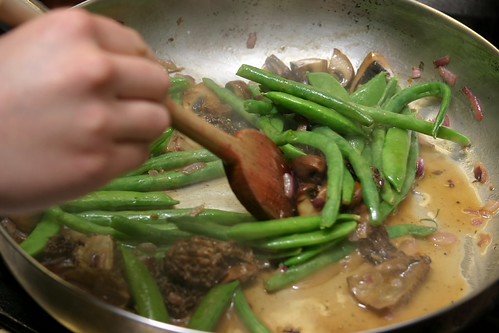
Cooking in a Pan

Perkataan Miseak & Piseak datang dari kata dasar Iseak yang membawa maksud "masak". Me- dan Pe- merupakan dua imbuhan awalan yang sering digunakan dalam bahasa melanau. Perlu diingat bahawa dalam bahasa melanau tiada pengunaan imbuhan akhiran seperti -kan dan -i mahupun imbuhan apitan seperti me-..-kan, me-..-i.

Me+Iseak = Miseak -> dalam bahasa melayu membawa erti "memasakkan" sesuatu untuk orang lain. Imbuhan awalan me + kata kerja sering membawa maksud melakukan sesuatu untuk orang lain.

cth lain:
upouk bajou (basuh baju) Me+upouk = Mupouk bajou -> membasuh baju orang lain.
usok pa-a (cuci tangan) Me+usok = Musouk pa-a -> mencuci tangan orang lain.

Pe+Iseak = Piseak -> membawa erti "memasak" sesuatu untuk diri sendiri.Imbuhan awalan Pe + kata kerja sering membawa maksud melakukan sesuatu untuk diri sendiri.

cth lain:
upouk bajou (basuh baju) Pe+upouk = Pupouk bajou -> membasuh baju diri sendiri.
usok pa-a (cuci tangan) Pe+usok = Pusouk pa-a -> mencuci tangan diri sendiri.

Ini merupakan salah satu ketelitian dan perbezaan bahasa melanau berbanding bahasa melayu. Dengan penambahan imbuhan sahaja dapat membawa maksud yang berbeza dalam maksud ayat dan pengisian. Selamat belajar :)


Tuesday, September 13, 2011

Grammar 8: The prefix "Ter-" in melanau (Imbuhan "Ter-" dalam bahasa melanau)

words words words

The malay prefix "ter-" correspond to melanau prefix "pe-" and "trah" and auxiliary word "kajih" . Verb with prefix "pe-" have two categories:

Saturday, September 10, 2011

Grammar 7: PART1: Melanau word order ( susun atur ayat melanau)

Word Cloud of Gov. Jindal's GOP response to Obama's speech

Word order (susun alak telabau) in melanau sentences is both more variable and more flexible than in English or malay.

Tuesday, July 12, 2011

Grammar 6: Melanau adjectives ( Kata sifat bahasa melanau)

untitled is also an adjective

An adjective is a word that modifies a noun (kata benda) by describing it in some way: shape, color, size, nationality.

Melanau adjectives are very different from english and malay adjectives. English adjectives are always in front of the noun eg: big book, cute girl and Malay adjectives are always after the noun eg: buku besar, gadis cantik. In melanau however adjectives can be either in front of the noun or after the noun. The meaning is the same only differs in emphasis. This is the beauty of melanau language that utilize less word to convey many different context and concept :)

Monday, July 11, 2011

Grammar 5: Simple melanau preposition

Last Words

A preposition links nouns, pronouns and phrases to other words in a sentence. A preposition usually indicates the temporal, spatial or logical relationship of its object to the rest of the sentence as in the example in the table in this post.

Thursday, January 27, 2011

Grammar 4: Penjodoh Bilangan Melanau II ( Melanau Classifier II) Pt 2-2

In this lesson we will introduce you with another set of classifiers which some thought only possible with malay classifiers but actually exist in melanau.
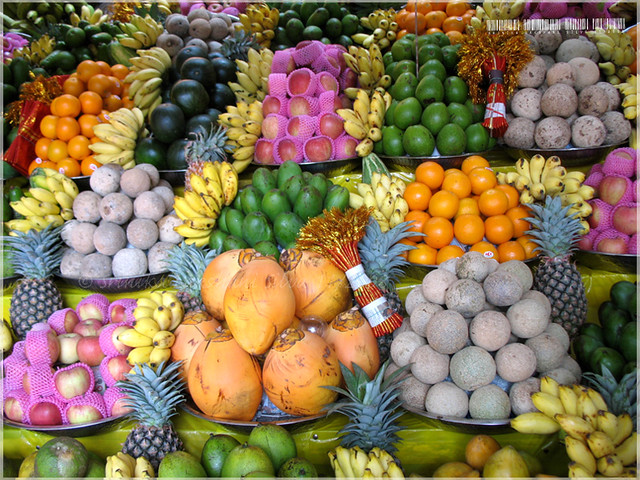
fruits

Grammar 3: Penjodoh bilangan melanau I (Melanau Classifier I) Pt 1-2

One difference is that the melanau classifier can be used for anaphoric reference but in malay it is not possible. Anaphoric reference is simply a word that represent another word.

things i love thursdays

Grammar 2: The Melanau Pronouns

Fortunately in Melanau the pronouns do not chance to the grammatical cases mentioned above. The melanau pronouns maintain their form in any cases.


Awek Lun Bawang

Grammar 1: The Shortest Melanau Word

Different from Malay which only uses yang as an indicator to relate to both animate and inanimate objects (Rumah yang besar, Pelajar-pelajar yang bijak), melanau uses 4 types of indicator.

Alphabet: A


© 2013 Melanau. All rights resevered. Designed by Templateism

Back To Top